.png)
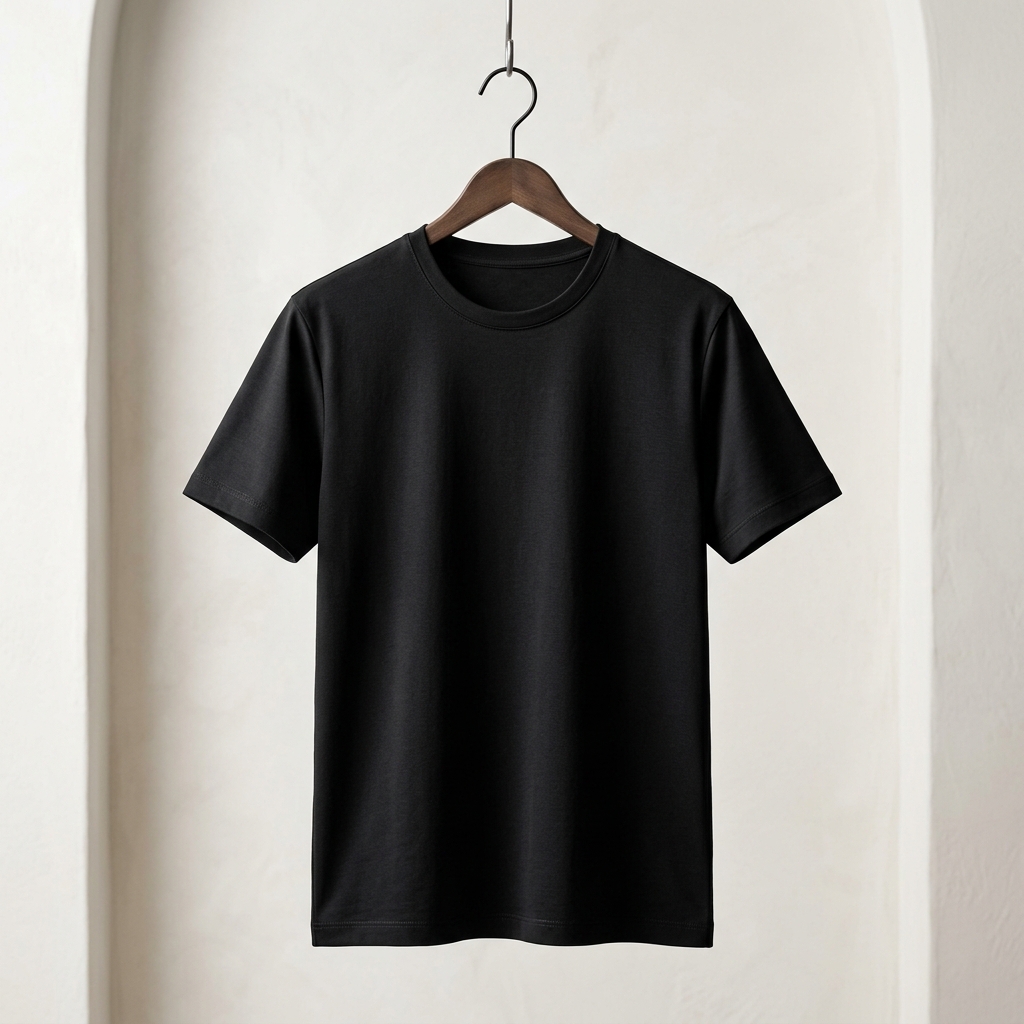
In a marketplace crowded with fast-fashion copies and synthetic fabrics, learning how to distinguish between genuine craftsmanship and cheap mass-production is an invaluable skill. Here are 7 physical checks used by textile inspectors to test garment quality in seconds.
1. The Stretch & Snap-Back Test
Gently pull the bottom hem or collar ribbing between both hands. High-grade combed cotton with spandex ribbing will immediately snap back into its original shape without leaving wavy deformation.
2. Double-Needle Seams and Stitch Density
Examine the sleeve cuffs and bottom hem. High-quality apparel features dense, parallel double-needle lockstitch seams with at least 10–12 stitches per inch (SPI). Low-quality shirts use loose single chain stitches that unravel when caught on a fingernail.
3. Shoulder-to-Shoulder Neck Taping
Flip the shirt inside out and look at the back neckline. A premium garment has a clean strip of fabric tape running continuously from the left shoulder seam, across the nape, to the right shoulder. This prevents collar stretching and protects your skin from scratchy seams.
4. Fabric Grain and Side Seam Alignment
Hold the shirt up by the shoulder seams. If the side seams twist around toward the front or back, the fabric was cut off-grain to save manufacturing costs. High-end garments are cut precisely along the grainline to ensure zero side-seam torque.
5. Print Elasticity and Hand Feel
Gently stretch the printed artwork horizontally. High-grade plastisol or water-based screen prints stretch with the cotton fibers without cracking or flaking.
6. Fabric Density & Opacity
Hold the t-shirt up to a light source. High-quality 190–220 GSM combed cotton blocks light evenly with a dense, uniform weave, rather than showing patchy see-through holes.
7. Weight and Bio-Wash Surface Smoothness
Rub your palm across the surface. Quality garments undergo enzyme bio-washing, leaving the surface buttery smooth without rough fiber fuzz or pilling.