.png)
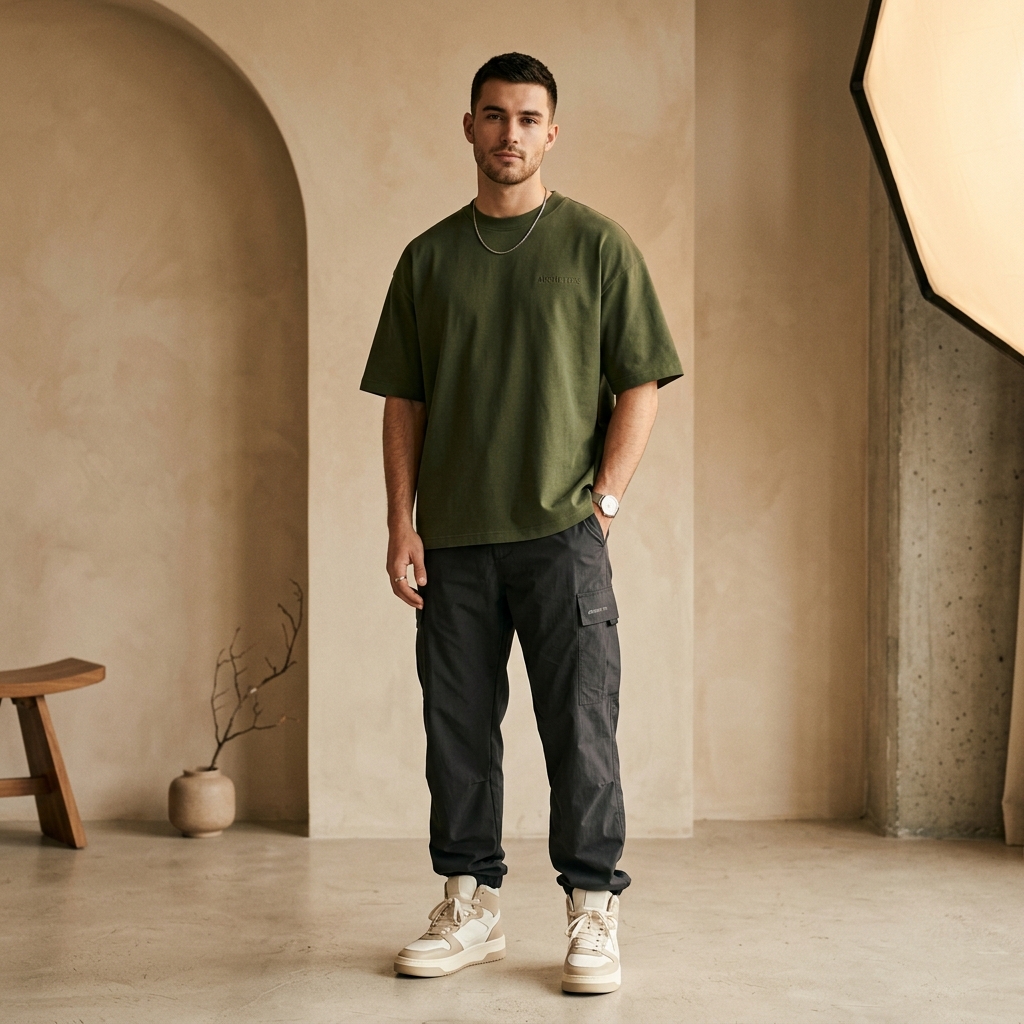
Today, luxury fashion houses in Paris and Milan feature graphic t-shirts, oversized hoodies, and technical sneakers on their primary catwalks. But streetwear was not born in luxury ateliers; it emerged from the streets as an anti-establishment counterculture forged by skateboarders, graffiti writers, and underground hip-hop pioneers.
1. The Four Epicenters of Streetwear Origin
1970s–1980s: Southern California Surf & Skate
Shawn Stussy began scrawling his surname onto custom surfboards and cotton tees in Laguna Beach. This DIY printing ethic laid the foundation for graphic tees as cultural badges of belonging.
1980s–1990s: New York City Hip-Hop Golden Age
B-boys, DJs, and MCs in the Bronx and Brooklyn adopted sportswear (tracksuits, oversized jerseys, bucket hats, and high-top basketball sneakers), transforming athletic gear into symbols of urban royalty.
1990s: Tokyo Ura-Harajuku Movement
Designers like Hiroshi Fujiwara and Nigo pioneered hyper-limited drops, secret back-alley boutiques, and unmatched Japanese textile craftsmanship that ignited modern hype culture.
2010s–Present: The Luxury High-Fashion Convergence
Visionaries like Virgil Abloh dismantled the boundary between streetwear and haute couture, proving that graphic tees and hoodies possess cultural relevance equal to bespoke suits.
2. Why Streetwear Continues to Dominate Global Fashion
Unlike transient seasonal micro-trends, streetwear has sustained five decades of explosive growth due to three immutable pillars:
- Uncompromising Comfort: Heavyweight cotton, relaxed armholes, and breathable knits provide unmatched daily utility.
- Storytelling & Graphic Identity: A streetwear shirt is a visual medium for ideas, art movements, and subcultural music scenes.
- Authenticity and Community: Streetwear thrives on peer recognition, belonging, and independent craft rather than artificial prestige.
3. The Emergence of South Asian Homegrown Labels
As streetwear spread globally, emerging regions began infusing local identity into the global blueprint. In Sri Lanka, homegrown brands like LEPIX are merging the country's celebrated textile manufacturing prowess with tropical-adapted fits and contemporary minimalist aesthetics.