.png)
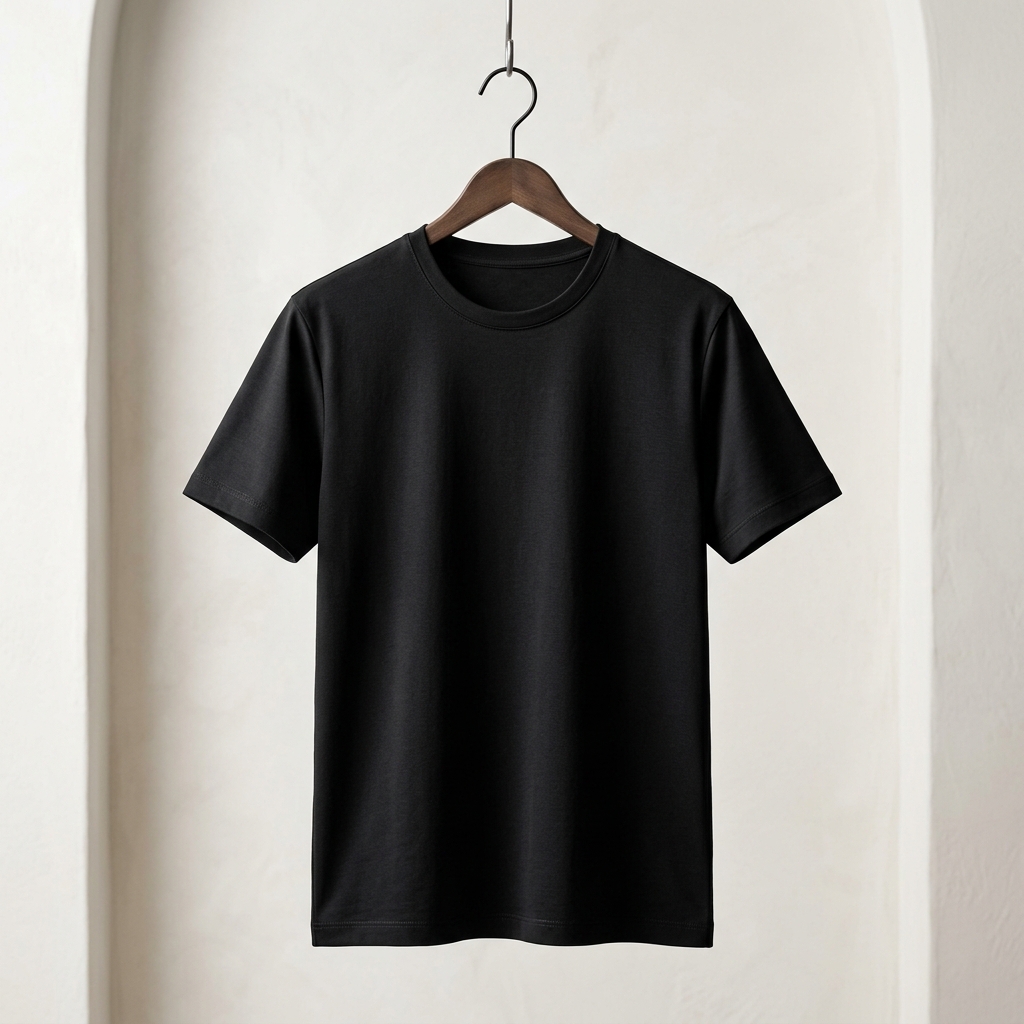
Have you ever bought a brand-new t-shirt that felt reasonably soft in the shop, only to see it shrink, twist at the side seams, or turn rough and fuzzy after just two washes? The secret to apparel longevity doesn't lie in the graphic print or brand tag—it comes down entirely to raw yarn quality, fabric weight (GSM), and manufacturing finishes.
In this comprehensive guide, we demystify the textile science behind t-shirt fabrics so you know exactly what to look for when building a long-lasting wardrobe.
1. What is Combed Ring-Spun Cotton?
Cotton is not created equal. In the textile processing world, there are three primary grades of cotton yarn:
- Regular Carded Cotton (Open-End): The most basic commercial grade. Short, uneven cotton fibers are twisted quickly. While cheap to produce, it feels coarse to the touch and tends to pill, fuzz, and warp easily.
- Ring-Spun Cotton: The yarn is continuously spun, twisted, and thinned, creating much smoother, longer strands. It is significantly softer and stronger than regular carded yarn.
- Combed Ring-Spun Cotton (The Gold Standard): Before spinning, raw cotton is treated with fine mechanical combs that filter out all short fibers and impurities, leaving only long, parallel, premium fibers. The result is an ultra-smooth, dense, velvety yarn with unmatched tensile strength.
| Feature | Regular Carded Cotton | 100% Combed Cotton |
|---|---|---|
| Hand Feel | Scratchy, rough texture | Ultra-smooth, luxurious soft touch |
| Wash Durability | Pills & warps after 3-5 washes | Retains shape for 50+ washes |
| Print Clarity | Uneven ink absorption | Sharp, vibrant, high-definition prints |
| Breathability | Average | Maximum natural airflow |
2. Understanding GSM: What Weight Should You Choose?
GSM stands for Grams per Square Meter. It is the international standard metric used to measure the physical density and weight of a fabric. Contrary to popular misconception, higher GSM does not automatically mean better quality—it simply indicates weight and thickness.
GSM Categories in Streetwear:
- 140 – 160 GSM (Lightweight): Very thin and breezy. Common in fast-fashion summer tees, but prone to becoming translucent and losing structural shape quickly.
- 180 – 210 GSM (Midweight to Heavy): The optimal sweet spot for tropical climates. Provides enough weight to drape cleanly without clinging to the body, while remaining airy and moisture-wicking throughout the day.
- 240 – 280+ GSM (Heavyweight / Boxy Streetwear): Thick, structured fabric favored in high-end streetwear. It maintains a clean, boxy, drop-shoulder shape that holds its form all day.
3. Bio-Washing and Anti-Pilling Treatments
Ever notice tiny fiber balls (pilling) accumulating under the armpits or along the hem of cheap shirts? This happens when loose fiber ends rub against friction.
To eliminate this, premium garments undergo a specialized Bio-Polishing (Bio-Wash) enzyme treatment. Organic cellulase enzymes gently shave off micro-protruding fibers from the fabric surface. This imparts three immense benefits:
- Permanent silk-like smoothness that never washes away.
- Zero surface fuzz or pilling over months of wear.
- Enhanced dye retention, keeping deep blacks and rich colors from fading into dull grey.
4. Cotton vs Synthetic Polyester: The Health & Comfort Factor
While polyester and synthetic nylon fabrics are inexpensive and wrinkle-resistant, they are made from petroleum-derived plastic fibers. In warm, humid environments like Sri Lanka, synthetic shirts trap perspiration, encourage odor-causing bacteria, and often cause skin irritation or heat rashes.
Pure 100% natural cotton, by contrast, is hypoallergenic, biologically breathable, and absorbs moisture away from the skin. For everyday casual wear, natural cotton remains undefeated.